The gap is not where most teams are looking
The instinct is often to focus on acquisition: more marketing, better ticket conversion, stronger campaigns.
These matter. But for many attractions, the bigger opportunity sits further along the journey, in how the visit is packaged, presented, and purchased.
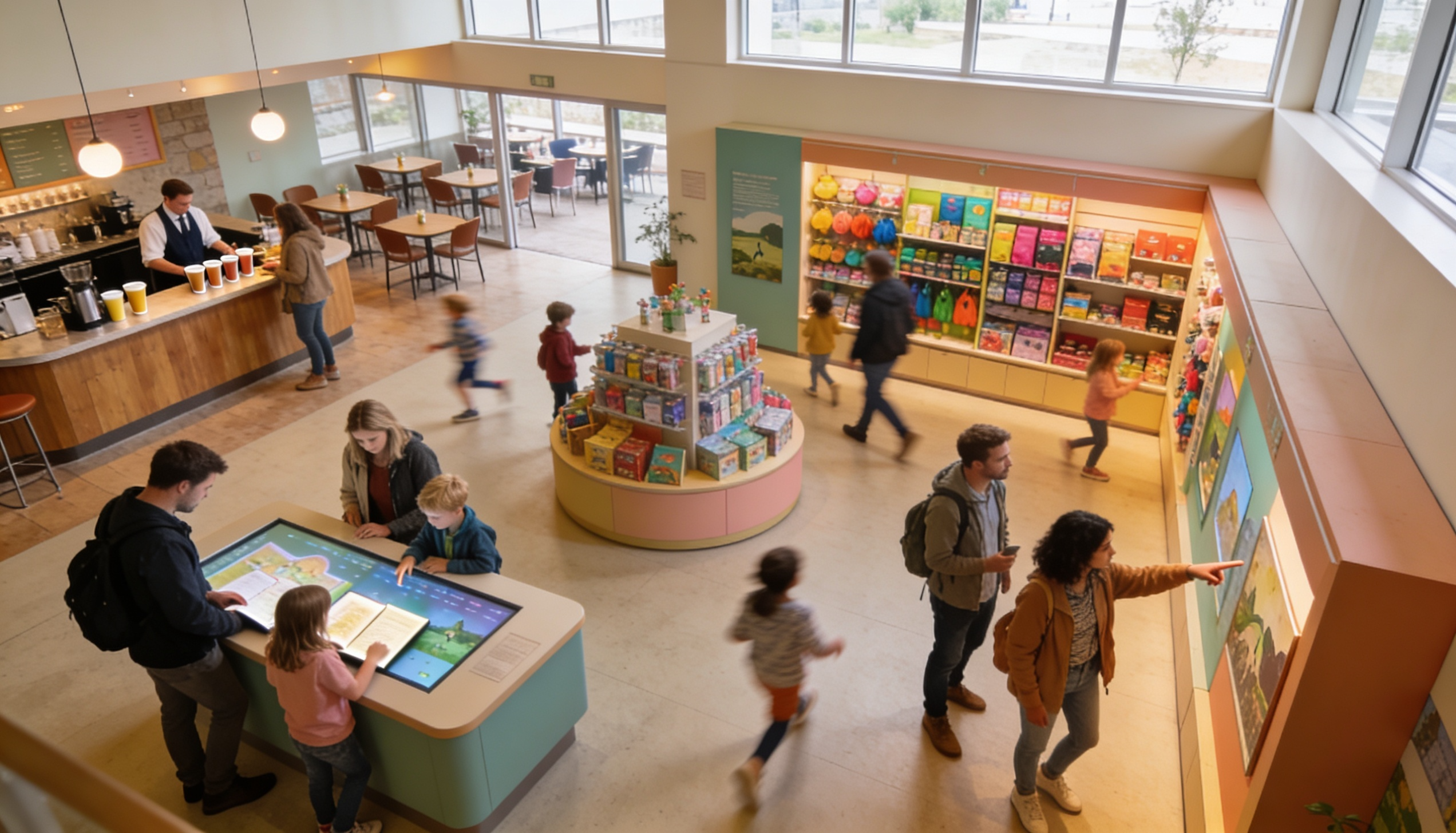
A significant share of visitor spending flows outside the attraction entirely, into surrounding retail, hospitality, and food. Even within the attraction, much of the potential is left uncaptured.
Not because visitors are unwilling to spend, but because the offer is not always structured to make spending easy.
Where revenue is lost, and why it keeps happening
Most attractions are losing on-site revenue in three specific places. Not because the offer is weak, but because the path to purchase is often too fragmented.
1. Missed bundling opportunities
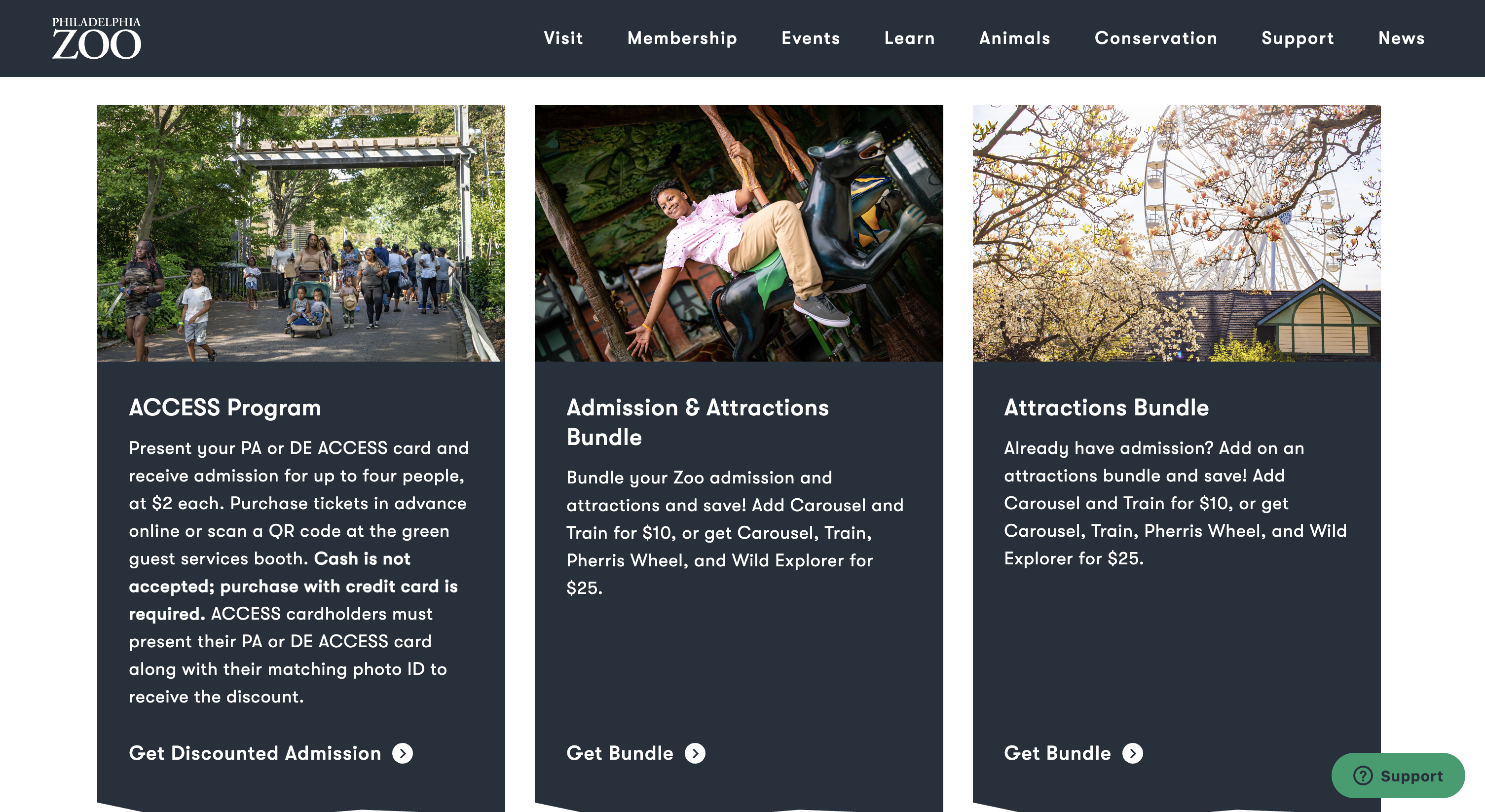
The most valuable combinations, admission plus a ride, a family package, a premium experience, a donation, or an add-on, often exist as separate products rather than one clear offer.
Visitors are presented with options and asked to build their own experience. In reality, most will not. They default to the simplest choice, which is usually the cheapest one.
When bundling does happen, it can be reactive, a discount applied at the end rather than a value proposition presented at the start. The sequencing matters.
A bundle introduced after the initial decision has already been made is far less effective than one that shapes the decision from the beginning.
2. Secondary spend disconnected from the visit journey
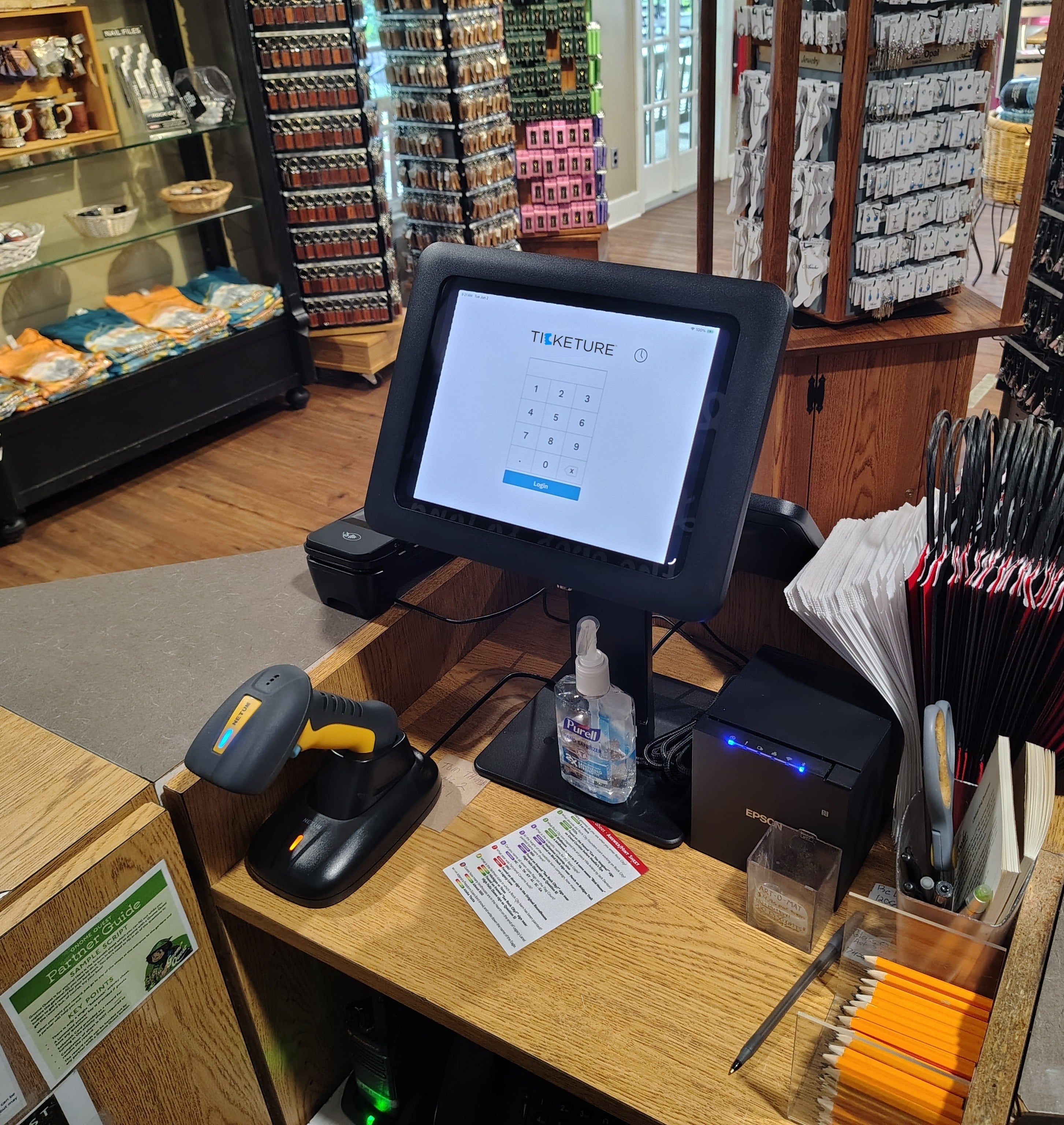
For many attractions, additional spend sits outside the main purchase journey.
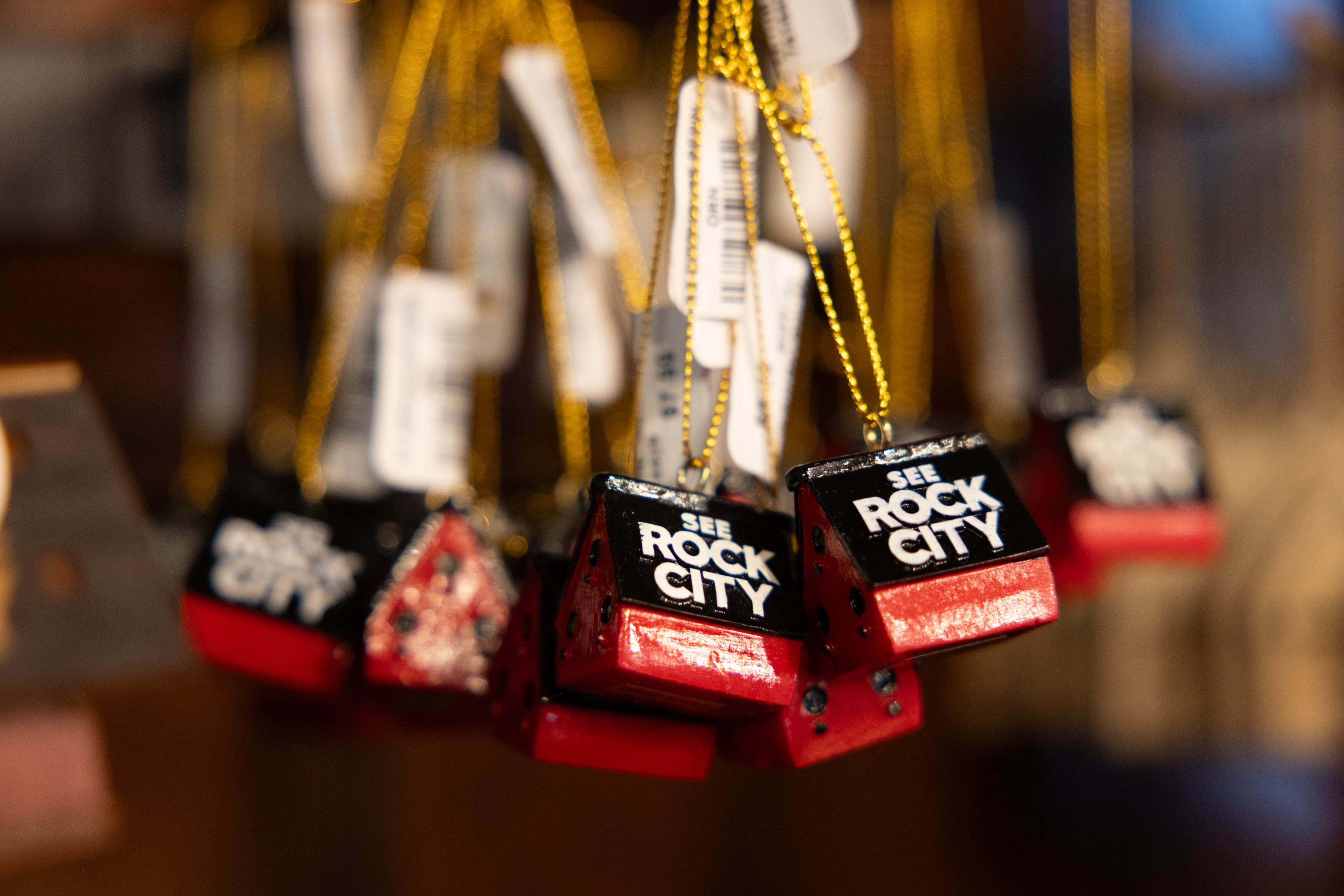
Retail, add-ons, premium experiences, films, donations, and upgrades may all exist, but they are often presented separately from admission.
The result is that visitors are left to discover value later, rather than seeing the fuller experience at the point they are most ready to buy.
For busy teams, that means too much potential revenue depends on chance, signage, or staff prompts.
3. No joined-up view of packaged value
When admission, add-ons, donations, and secondary experiences are treated as separate decisions, it becomes harder to understand how visitors respond to the full offer.
Teams may have a clear picture of ticket sales, but less visibility into which combinations increase order value, which offers are being overlooked, and where visitors choose the simplest option over the fuller experience.
That makes improvement harder than it should be. Not because teams lack insight, but because the journey is often split into too many disconnected decisions.
The scale of what is at stake
On-site spend is not a marginal line item. In the museum sector, the Museum Store Association notes that museum stores can generate between 5 and 25 percent of annual revenue, while the American Alliance of Museums describes earned income as a long-standing part of museum funding, stable at around 24 percent of museum income in recent years.
That matters because earned revenue is not only about ticket sales.
It is about how attractions structure the full visit. When those opportunities are treated separately, value is left behind.
What high-performing attractions do differently
The organizations seeing the strongest results are not necessarily spending more on marketing or running bigger campaigns. They are restructuring how the visit is presented.
Industry body IAAPA, the Global Association for the Attractions Industry, has highlighted the value of bundled experiences, where attractions combine services, offers, or activities to create added value for guests while supporting business growth. Its 2025 attraction pricing guidance also notes that consumers evaluate the total cost of an experience, not just the admission price.
That is the opportunity. Package key elements into a single, clearly priced offer. Surface that offer at the point of initial purchase, not after checkout. Reduce the number of decisions a visitor has to make.
Instead of asking visitors to build their own experience, present a complete one. The value is clear upfront. The path to purchase is short.

.svg)